A new research project led by the University of Adelaide aims to strengthen health management and long-term survival outcomes for orangutan populations undergoing rehabilitation in Indonesia.
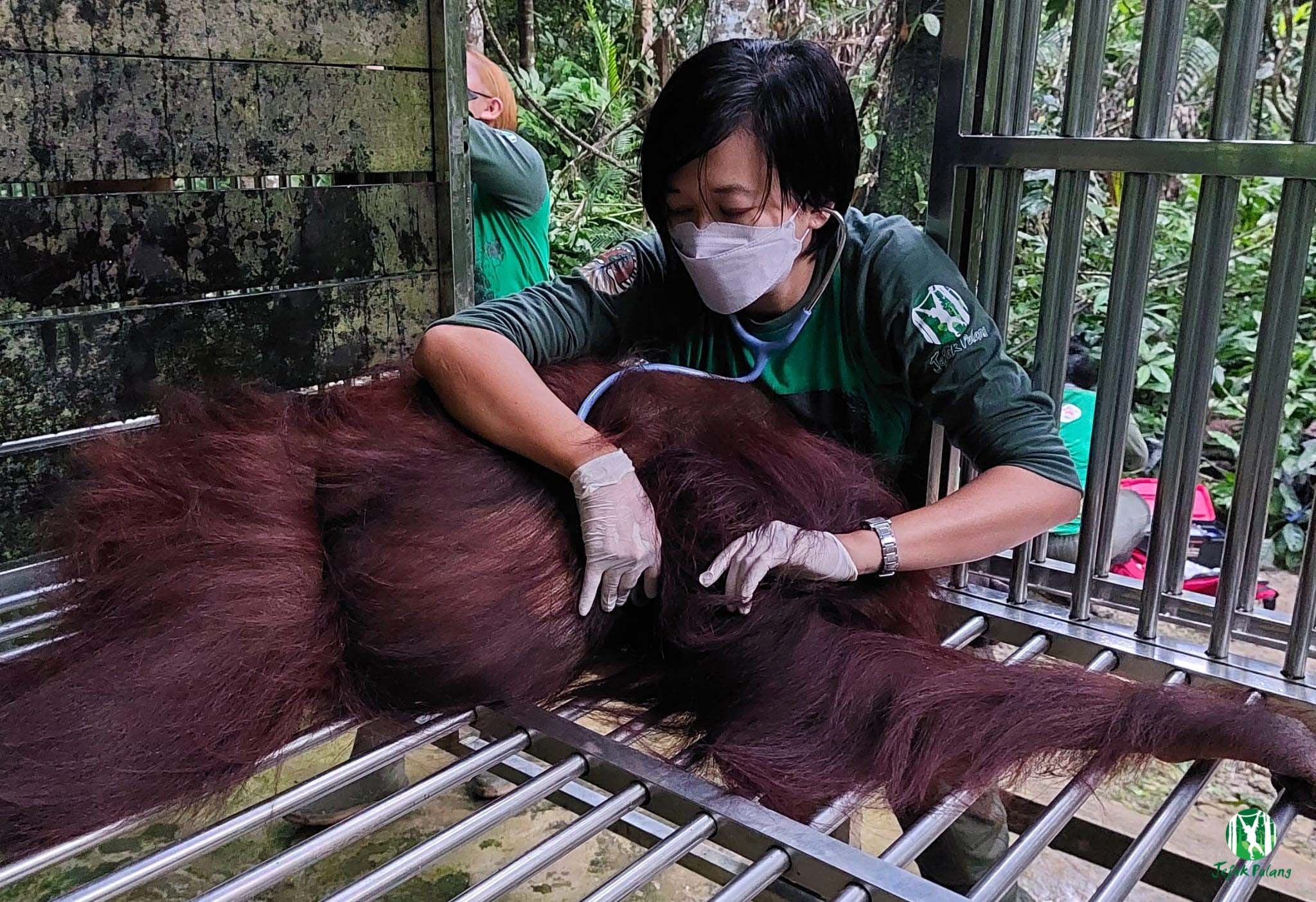
Veterinarian Fransiska Sulistyo, from the University’s School of Animal and Veterinary Sciences, is undertaking a PhD focused on identifying the key health challenges affecting orangutans in rehabilitation centres and following reintroduction into the wild.
“Orangutans, like other great apes, are threatened with extinction, largely due to anthropogenic pressures such as habitat loss, poaching and disease,” Sulistyo said.
Across Indonesia, more than 1,000 orangutans are currently housed in rehabilitation centres or have been reintroduced into forest habitats. Despite this substantial population, there remains limited consolidated data on the diseases, injuries and broader health issues affecting these animals.
“This is such a significant population, yet there is relatively little information about the most important health challenges they face,” Sulistyo said.
The project will involve collaboration with multiple rehabilitation centres, where medical records and biological samples will be analysed to identify patterns of disease and inform evidence-based management strategies. The goal is to improve clinical decision-making and increase the success rate of reintroduction programs.
Rehabilitation centres play a critical role in orangutan conservation, particularly for juveniles. Young animals typically rely on maternal care for up to nine years in the wild, learning essential survival behaviours such as foraging and nesting. In care, these skills are replicated through structured “forest school” programs and the use of surrogate carers.
“It takes years of training and care to rehabilitate orangutans to the point where they can survive independently in the wild,” Sulistyo said.
However, significant challenges remain. Habitat loss due to land clearing for agriculture and extractive industries continues to drive admissions, while natural disasters such as fires and landslides further compound pressures on wild populations.
Dr Sulistyo noted that, while the number of rehabilitation centres has increased over time, ensuring long-term success extends beyond release.
“It remains a challenge to manage reintroduced populations, ensure suitable habitat is protected, and support these animals in fulfilling their ecological role,” she said.
The research is also expected to contribute to broader wildlife health surveillance frameworks, aligning animal health with environmental and human health considerations.
By generating a clearer understanding of disease risks and health trends, the project aims to support more effective conservation strategies and improve outcomes for one of the world’s most endangered primate species.
Photo: Signe Preuschoft Yayasan Jejak Pulang