Taronga marks 20-year milestone with record Southern Corroboree Frog egg release

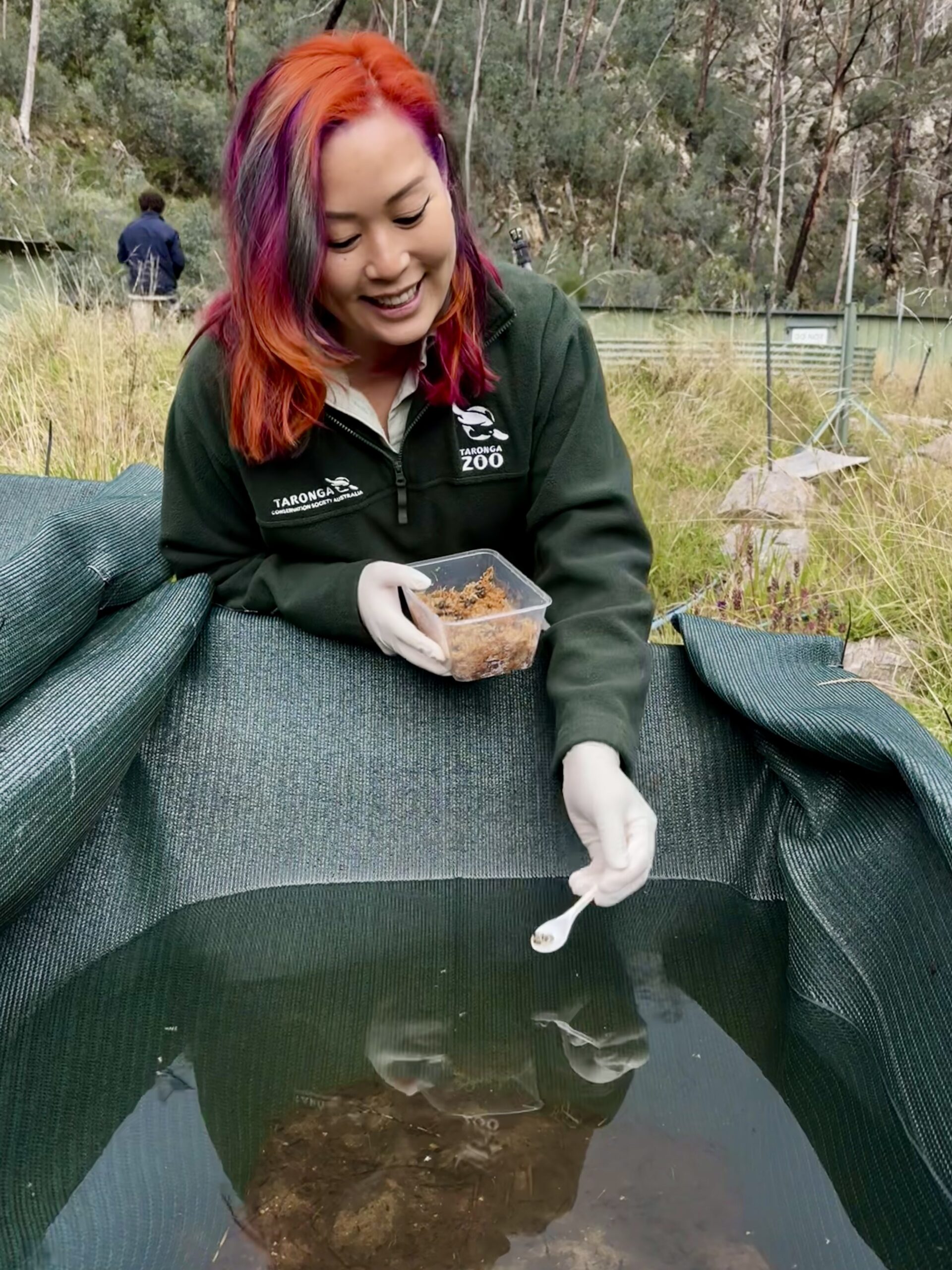
Two decades of intensive ex situ conservation work by Taronga Conservation Society Australia has been marked by the group’s release of its largest-ever cohort of southern corroboree frog (Pseudophryne corroboree) eggs into subalpine habitat within Kosciuszko National Park. A total of 1,450 eggs, propagated under biosecure conditions at Taronga Zoo Sydney, were translocated to targeted […]

Continue Reading
NSW Auditor-General identifies greyhound welfare gaps

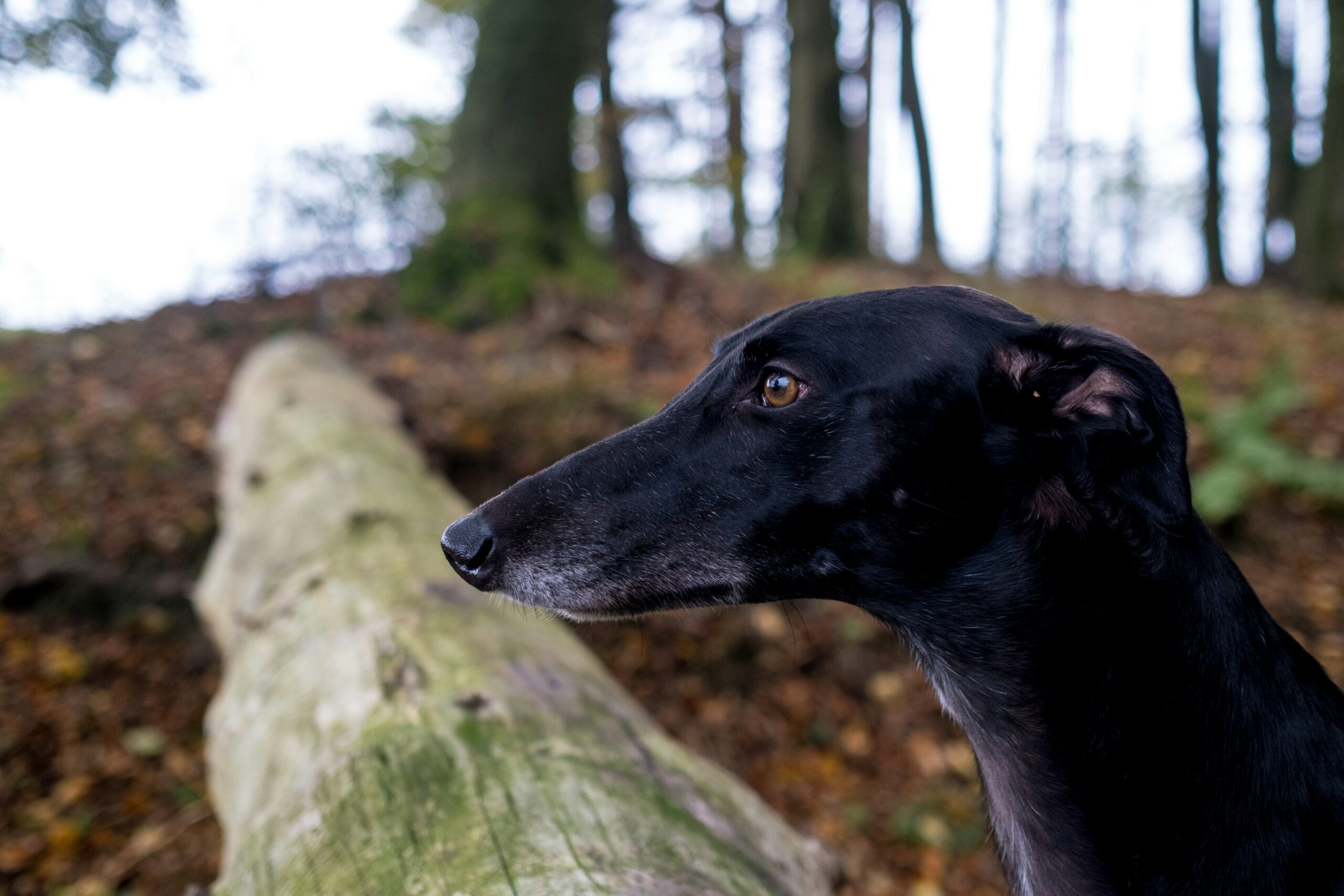
A performance audit by the New South Wales Auditor-General has found that while the Greyhound Welfare and Integrity Commission (GWIC) has strengthened its monitoring and enforcement in individual welfare cases, significant gaps remain in its strategic reporting, industry-wide compliance oversight, and case management efficiency. The audit assessed the effectiveness of GWIC’s regulatory framework in protecting […]

Continue Reading

Reseachers testing for dingo DNA

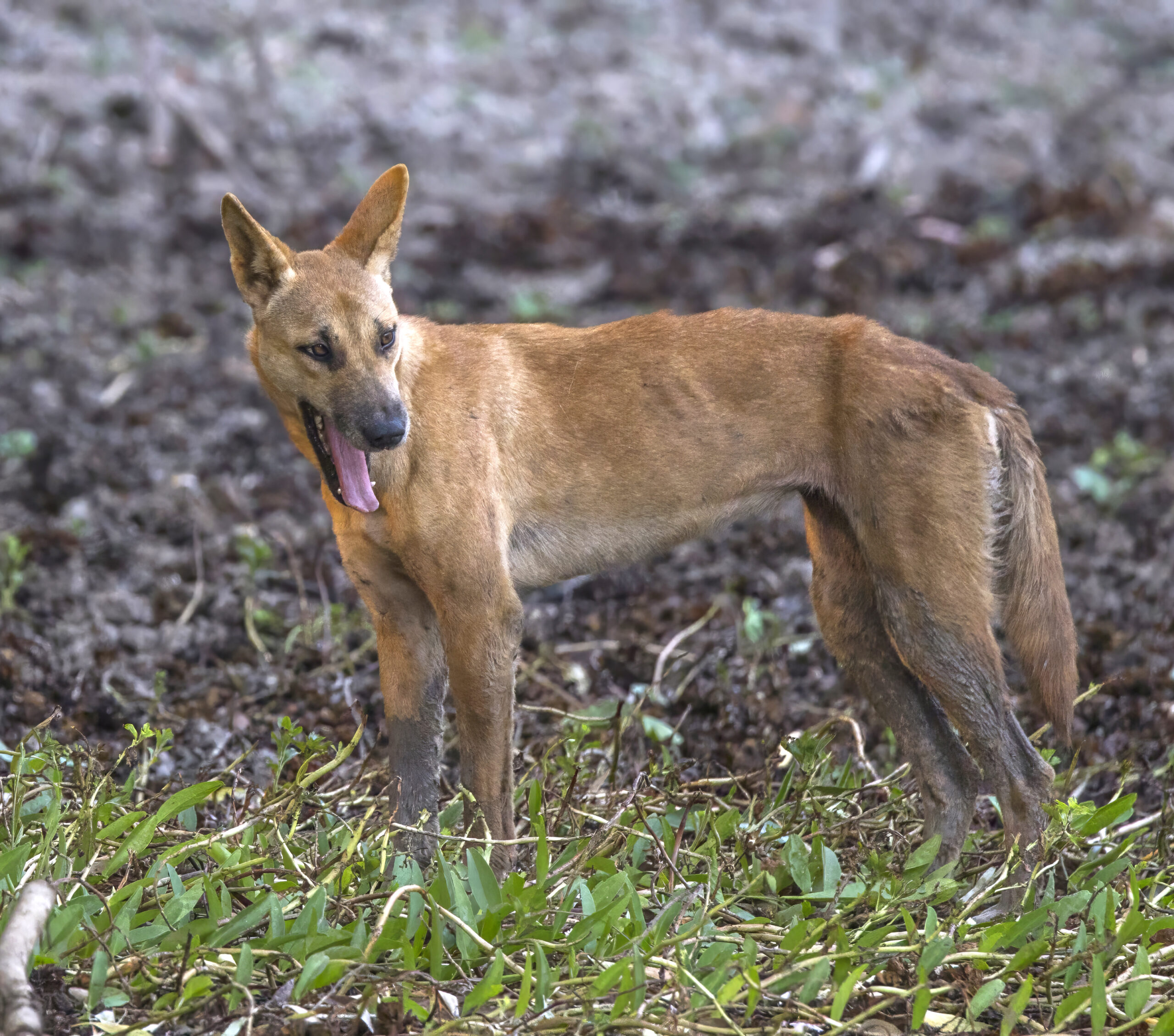
Despite dingoes playing a unique ecological role as an apex predator, and being culturally significant for many Indigenous communities, their relationship with farmers since European settlement has been controversial and calls for an introduction to manage their numbers included culling. Interbreeding with domestic dogs also blurred the lines of accurate dingo classification. It was use […]

Continue Reading

Optimism about platypus reintroduction program

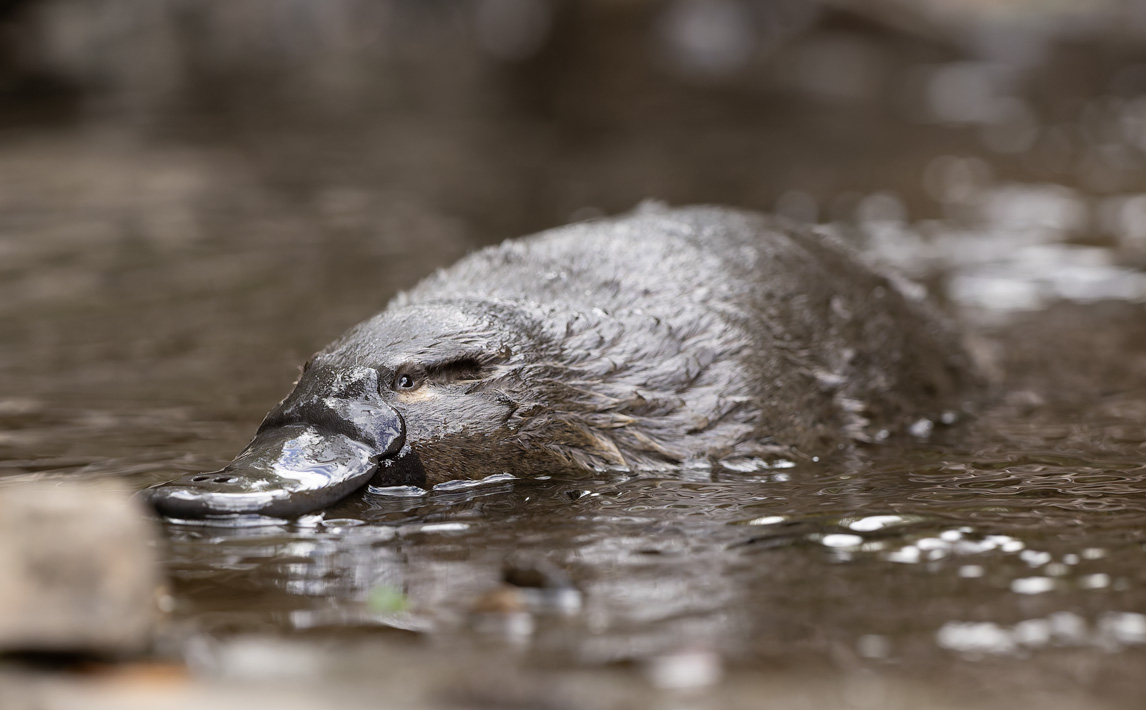
After being absent for more than 50 years from Royal National Park, an area inland from the eastern coastline of Australia that lies just south of Sydney, scientists from UNSW have confirmed the reintroduced platypus population has grown to 20 known individuals, twice the number of platypus (Ornithorhynchus anatinus) that were originally translocated to the […]

Continue Reading

Koala populations have crashed before

Between natural disasters, habitat loss, roadkill, and dog attacks, many koala populations across their eastern and south-east coastal ranges have been heavily reduced, to the point where the species is listed as endangered in parts of NSW, Queensland, and the ACT.  According to a study published recently in Molecular Biology and Evolution it is not […]

Continue Reading