Adelaide University research suggests daily probiotic and postbiotic supplementation could play a meaningful role in improving both gut and skin health in dogs, potentially reducing reliance on antibiotics for common dermatological conditions.
Published in Veterinary Dermatology and Veterinary Research Communications, the study is among the most detailed canine microbiome investigations to date. Using advanced DNA sequencing, researchers tracked microbial changes in 12 healthy golden retrievers over a 90-day period.
The findings support the emerging concept of the gut–skin axis, demonstrating a clear link between gastrointestinal health and skin condition.
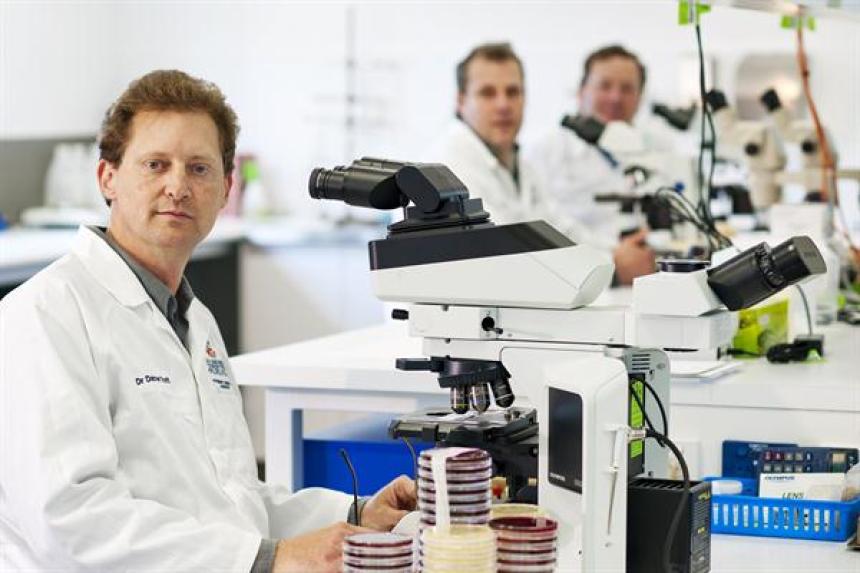
Darren Trott said the study aimed to explore whether oral supplementation could influence the skin microbiome, a key defence against infection.
“Our results show that a simple daily supplement can promote beneficial bacteria not only in the gut, but also on the skin,” he said. “This opens new opportunities to support skin health in dogs without relying on antibiotics.”
Following supplementation, researchers observed increased levels of beneficial bacterial species, including Lactobacillus acidophilus, Lactobacillus johnsonii and Limosilactobacillus reuteri, across both gut and skin samples.
At the same time, there was a reduction in Staphylococcus pseudintermedius, a pathogen commonly associated with canine skin infections.
The study also found increased microbial diversity, widely considered a hallmark of a resilient and healthy microbiome.
Michael Shipstone said the controlled design of the study was key to isolating the effects of supplementation.
“By focusing on healthy dogs in a controlled environment, we were able to establish an important baseline for future studies, particularly in dogs with conditions like atopic dermatitis,” he said.
The findings come at a time when reducing antibiotic use in veterinary medicine is a growing priority. Skin disease remains one of the leading reasons for antibiotic prescribing in companion animals, contributing to the broader challenge of antimicrobial resistance.
Trott said strategies that support microbial balance could become an important part of this shift.
“Anything that helps reduce reliance on antibiotics while maintaining animal health is a win,” he said.
While the results are promising, researchers emphasise that further studies are needed to determine how these microbiome changes translate into clinical outcomes for dogs with existing skin disease.
Future trials will focus on whether similar supplementation can restore microbial balance and improve symptoms in affected animals, potentially offering veterinarians a new tool in managing chronic dermatological conditions.