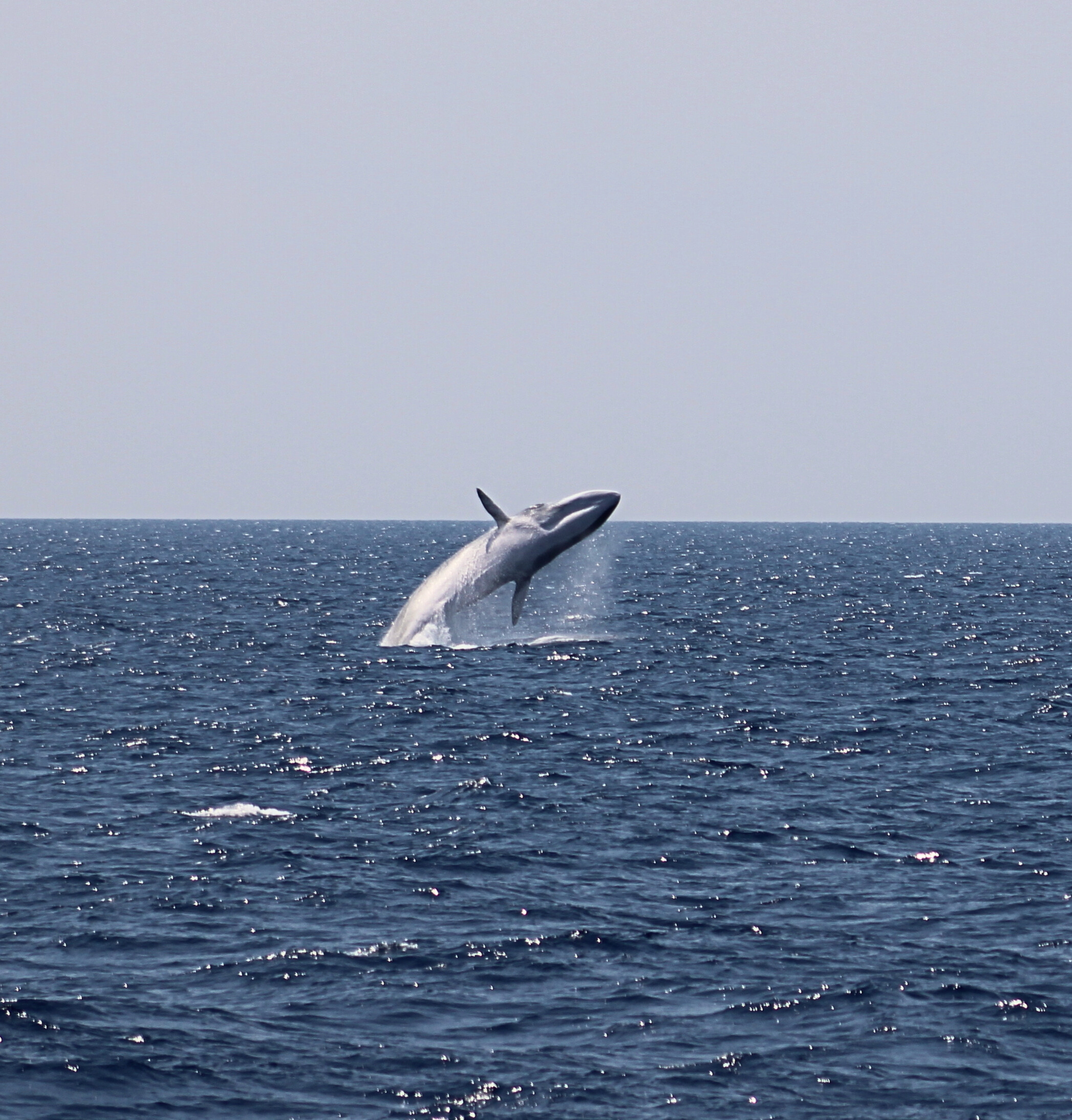
Despite the global moratorium on commercial whaling – established in 1982 by the International Whaling Commission (IWC) – Norway, Iceland and Japan have failed to fully comply with the ban, but with IWC’s biennial meeting being held in Hobart towards the end of September, a global petition calling for the complete abolition of commercial whaling is to be delivered by several conservation and animal welfare organisations. The petition will mark the 40th anniversary of the global whaling ban of 1986.
Established in 1946 as the global body responsible for the management of whaling and conservation of whales, the IWC is an intergovernmental organisation that now includes a membership of 89 governments from across the world. The IWC has also broadened its conservation brief to encompass a wide range of programs to understand and address threats the marine life. These now include bycatch and entanglement, ship strikes, ocean noise, debris and pollution, disease and climate change. The Commission also holds international training workshops on safe and effective responses to entanglement and stranding.
Ship strikes, or ‘vessel strikes’ are considered to be one of the most serious and immediate threats to marine life, and they have been a focus for the International Fund for Animal Welfare, one of the animal advocacy groups behind the petition. IFAW has campaigned for an end to whaling for decades, and has taken a lead in addressing the threat of vessel strikes, calling for stronger action to reduce them by re-routing ships away from key whale habitats, reducing vessel speeds in high-risk areas, and greater cooperation with the shipping industry and marine authorities.
Whale and dolphin stranding worldwide is also a concern for IFAW. In Australia, more than 80 per cent of strandings have occurred in Tasmania. The organisation’s Marine Mammal Rescue program is regarded as a world leader in stranding responses, and welcomes an IWC proposal that will both recognise the scale of the problem, and strengthen efforts to protect marine mammals.
In whale conservation terms Australia is considered a success story. The country has emerged from an era when its whaling industry drove populations of humpback and southern right whales to the brink of extinction, yet these species have bounced back since commercial whaling ended in 1982, and now thousands of whales are seen travelling through Australian waters for their annual migration. These animals prove that when whale hunting stops, populations can recover.
Fin whales are not so fortunate. They are the second largest animal on Earth after the blue whale, and are described as vulnerable on the International Union of Conservation of Nature’s Red List. Although threatened with extinction, an IFAW spokesperson said a single whaling Icelandic operator continues to hunt fin whales, while Japan is understood to have added fin whales to its kill list. This is in addition to a 2026 quota of 56 sei whales, 153 Bryde’s whales, and 145 minke whales, and will bring the country’s quota allocations to 412 whales being targeted.
In addition to the abolition of commercial whaling IFAW will urge the IWC delegates at this year’s meeting to support the establishment of the South Atlantic Whale Sanctuary – a proposal that would see the region’s whales permanently safeguarded, but that has been repeatedly blocked by pro-whaling nations at IWC’s biennial meetings since 1999.
Anne Layton-Bennett