
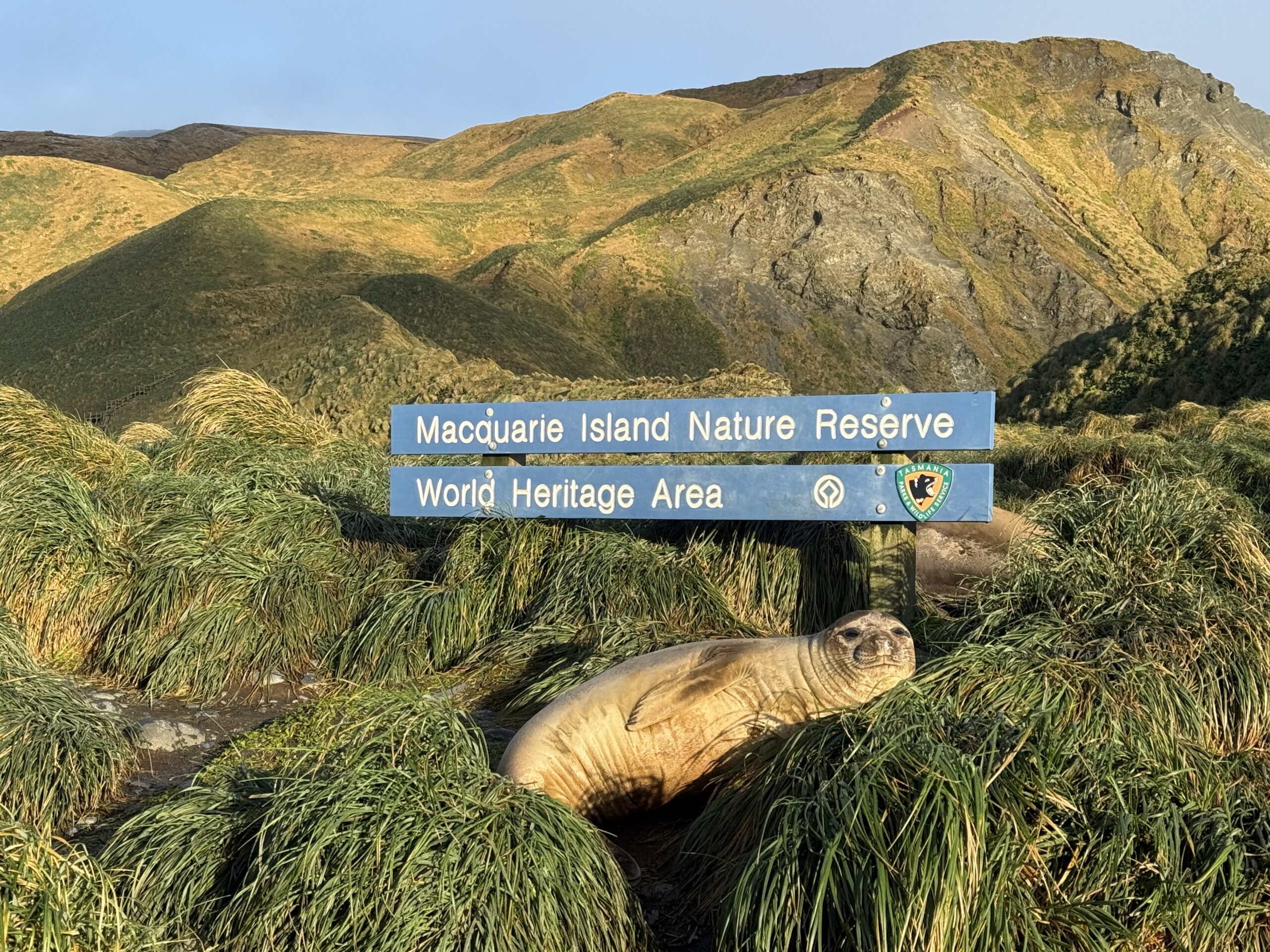
The Australian Antarctic Division (AAD) has announced plans to temporarily withdraw all 24 expeditioners from the Macquarie Island research station due to the severe psychosocial and operational risks posed by an anticipated H5 high-pathogenicity avian influenza (HPAI) outbreak.
The sub-Antarctic research facility located approximately 1,500 km southeast of Tasmania will undergo a planned closure in early October, with staff and essential equipment retrieved by the icebreaker RSV Nuyina.
While the immediate health risk of H5 bird flu to humans remains low, authorities determined that an impending wildlife mass-mortality event during the upcoming southern elephant seal (Mirounga leonina) breeding season would create untenable psychological stress and workplace disruption for station personnel.
Although H5 bird flu has not yet been detected on Macquarie Island, epidemiologists and wildlife experts predict a high probability of rapid transmission when breeding aggregations form in early spring.
Unlike Australia’s Antarctic continental stations, the Macquarie Island facility is situated in close proximity to major breeding haul-outs, where thousands of elephant seals give birth within meters of station infrastructure.
Recent surveillance from other sub-Antarctic territories underscores the vulnerability of the species. H5 bird flu outbreaks at Heard Island and McDonald Islands resulted in pup mortality rates exceeding 90 per cent across affected colonies.
Department officials noted that an emergency, unplanned evacuation during an active outbreak would take months to coordinate, potentially compromising logistics across the broader Australian Antarctic Program.
Sean Sullivan, Deputy Secretary of the Department of Climate Change, Energy, the Environment and Water, emphasised that protecting staff wellbeing in isolated environments was the primary driver for the decision.
“Our first priority is the health and safety of our expeditioners. While the risk to humans of H5 bird flu is considered low, we can’t ignore the psychosocial risks of living near potentially large numbers of affected animals,” Sullivan said. “Our expeditioners already live and work in one of the world’s most remote and challenging environments. It is important that we minimise any additional risks that could affect the wellbeing of our people and the safe operation of our stations.”
The AAD confirmed active wildlife disease control measures or culling will not be implemented on Macquarie Island due to its extreme remoteness, harsh weather, and the lack of viable field interventions for wild populations.
However, previous invasive species eradication programs (which successfully removed rabbits, rats, and mice from the island) have enhanced overall ecosystem resilience, improving the population’s capacity for long-term recovery following disease events.
The AAD is currently establishing remote monitoring frameworks and contingency plans to maintain international data obligations and monitor wildlife populations, with the goal of safely reestablishing a permanent human presence on Macquarie Island in future seasons.
