
Australia’s pet adoption system is facing mounting pressure, with new data from PetRescue revealing adoption rates have fallen to their lowest level on record, dropping by more than 40 per cent in just six months.
The decline sees adoption rates fall from a sustained level above 90 per cent to below 50 per cent, as cost-of-living pressures, housing insecurity and limited pet-friendly accommodation reshape pet ownership across the country.
At the same time, the rescue sector is experiencing a rise in pet surrenders. Between 2020 and 2026, 4,664 Australians relinquished pets through PetRescue’s Home2Home program, with moving house and unsuitable accommodation cited as the leading reasons.
Di Rayment warned the consequences of a system under strain are significant.
“An estimated 100,000 healthy, rehomeable pets are killed in Australia each year because the system isn’t set up to support the solutions that could keep them safe,” she said. “As adoption rates fall and shelters hit capacity, that number will only grow.”
The figures come at a milestone moment for PetRescue, which has now facilitated one million adoptions since its launch in 2004, a benchmark CEO Patima Tantiprasut says is both a celebration and a warning.
“While I am incredibly proud of our work to date, today’s data is a warning sign that the system that made this possible is at breaking point,” she said.
Tantiprasut pointed to a combination of economic anxiety and shifting consumer behaviour, including a growing preference for purchasing pets from breeders, as key factors behind the decline.
Rayment added that misconceptions about rescue animals are compounding the issue.
“When the world feels economically uncertain, people become more risk averse. The idea that rescue pets are the riskier choice isn’t supported by the evidence,” she said. “Animals in ethical shelters and rescues are assessed, meaning adopters have a clear understanding of their temperament and needs.”
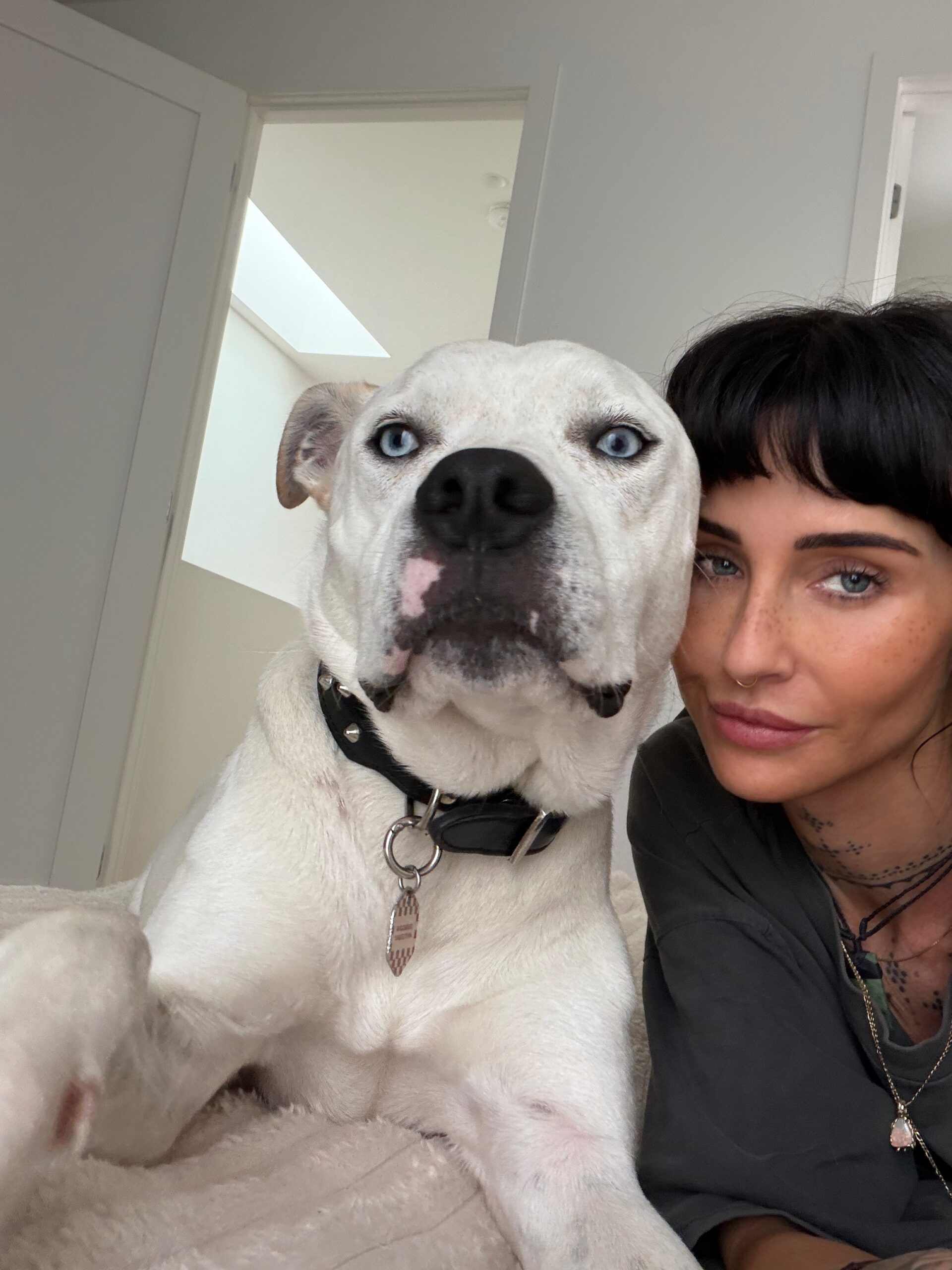
Public figures, including Tash Sultana, have also highlighted the benefits of adoption, sharing positive personal experiences to help shift perceptions.
Despite the challenges, Tantiprasut said solutions require more than individual action.
“If just one per cent of Australians chose to adopt today, there would be enough homes for every pet listed on PetRescue for the next three and a half years,” she said. “But we can’t just adopt our way out of this crisis.”
She called for increased government support, including funding for adoption programs, owner-assisted rehoming, desexing initiatives and public education campaigns.
The data paints a clear picture: while Australia has demonstrated strong support for pet adoption in the past, structural pressures are now pushing the system to its limits — with significant implications for animal welfare if left unaddressed
