The negative impact on Australia’s wildlife from introduced predators like cats and foxes is well documented, so a 26-year study led by conservationists from the University of NSW, that first involved the removal of feral animals from a fenced reserve in South Australia, has offered hope areas can undergo positive ecological transformations as native species return, adjust and adapt to changed conditions.
Published in the journal Proceedings of the Royal Society B, researchers tracked the abundance and demography of 10 small mammal species inside and outside the Arid Recovery Reserve, Australia’s largest feral-proof reserve that features six fenced enclosures across 12,300 hectares.
Following the removal of rabbits, cats and foxes nearly 30 years ago, the scientists observed a clear pattern where species gradually replace one another over time as ecological conditions change. They found smaller rodents such as Bolam’s mouse and the house mouse were the first to make the most of the new feral-free conditions, while the population of larger species like the spinifex hopping mouse and plains mouse surged after five to nine years.
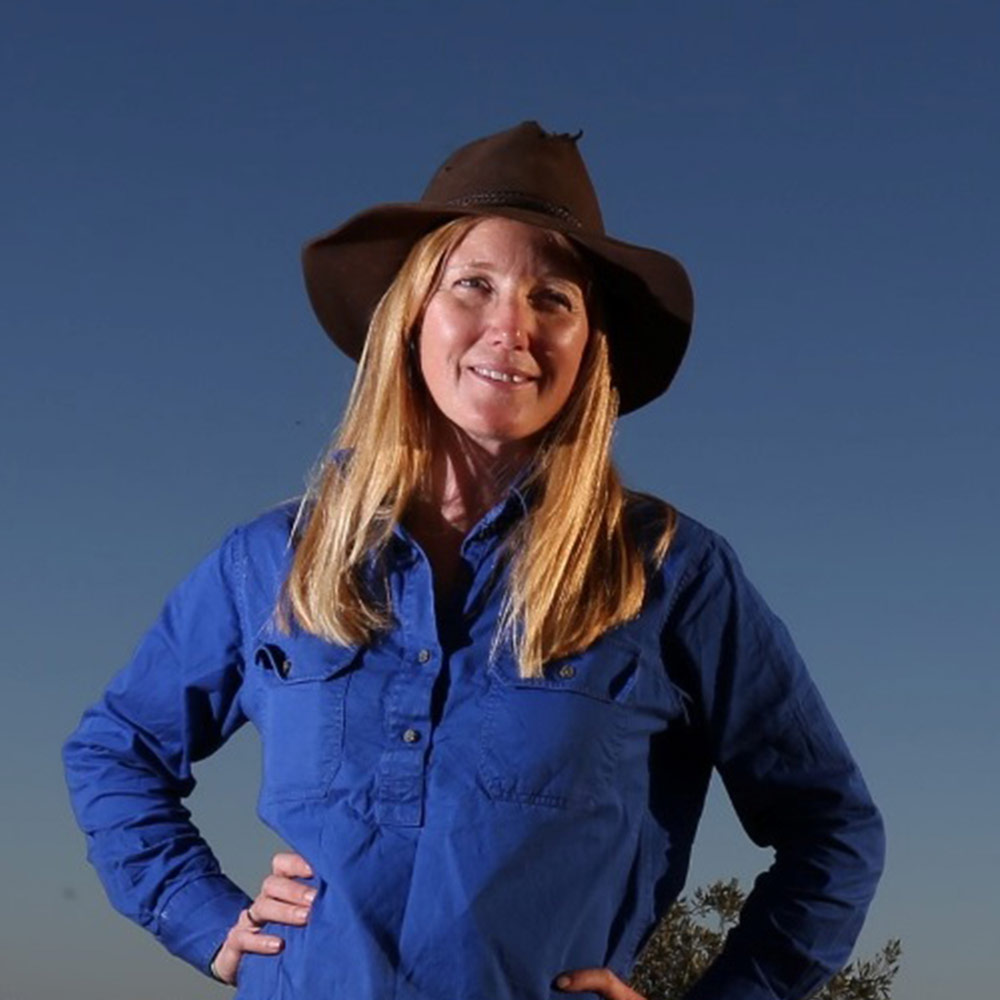
Lead author Katherine Moseby, Senior Lecturer at UNSW’s School of Biological Earth and Environmental Sciences’ Centre for Ecosystem Science, and Principal Scientist at Arid Recovery Ltd, said nine of the 10 small mammals were natives, while the house mouse had arrived with the Europeans.
“These are 10 small mammals occurring naturally in the ecosystem, so not reintroduced as part of any translocation project. They include rodents like the plains mouse, and small carnivorous marsupials like the charismatic stripe-faced dunnart. Over the time that we monitored some of the smaller mammals inside the reserve – like the spinifex hopping mouse – increased dramatically with populations up to 33 times higher inside than outside the feral-free areas,” she said.
Researchers found big rainfall events resulted in the greatest differences that occurred between inside and outside the reserve, suggesting small mammal population booms are suppressed by feral cats and foxes.
“During droughts small mammal populations decline and shrink back to refuge areas. Breeding and population growth after rain allows them to repopulate those areas but predation from cats and foxes is suppressing this and leading to local extinction. Small mammal succession is often seen after fires or other events that remove vegetation. Then as the vegetation starts growing back, it favours different small mammals at different times. For example, the grass returning might favour one species, then when trees rebound, this favours others that outcompete the smaller ones,” Moseby explained.
The scientists observed a succession response still occurred due to changes in competition and differences in how quickly species returned, with larger rodents taking longer to re-establish, but then outcompeting smaller rodents. Moseby said it was fascinating to see the dynamics of the ecosystem and how it continues to change.
“We saw this massive increase in abundance just from removing cats and foxes without having any sort of major vegetation change. We also had animals expanding into different habitats you don’t normally find them in, giving us a bit of understanding of how these ecosystems might have looked before the Europeans arrived. It appears many of these animals had much larger niches than they do now,” she said.
An example was the spinifex hopping mouse, whose preferred habitat is sand dunes, but within the feral-free enclosure this species expanded into swales or clay-based lowlands, while the plains mouse moved in the opposite direction – from swales to sand dune areas of the reserve.
“Cats and foxes haven’t only caused significant declines in many mammal species but also changed the habitats they use. We should be thinking more broadly about the habitats we conserve to protect native small mammals once we’ve controlled predators, to understand they’ve got a much larger niche.
Our desert ecosystems have changed so much since Europeans arrived, along with cats and foxes. We studied the 10 small mammals that are still present at our desert study site, but unfortunately 60 per cent of the mammal species formerly present here disappeared after European arrival. We need to work hard to restore these desert ecosystems and reduce the impact of feral species,” Moseby said.
Anne Layton-Bennett