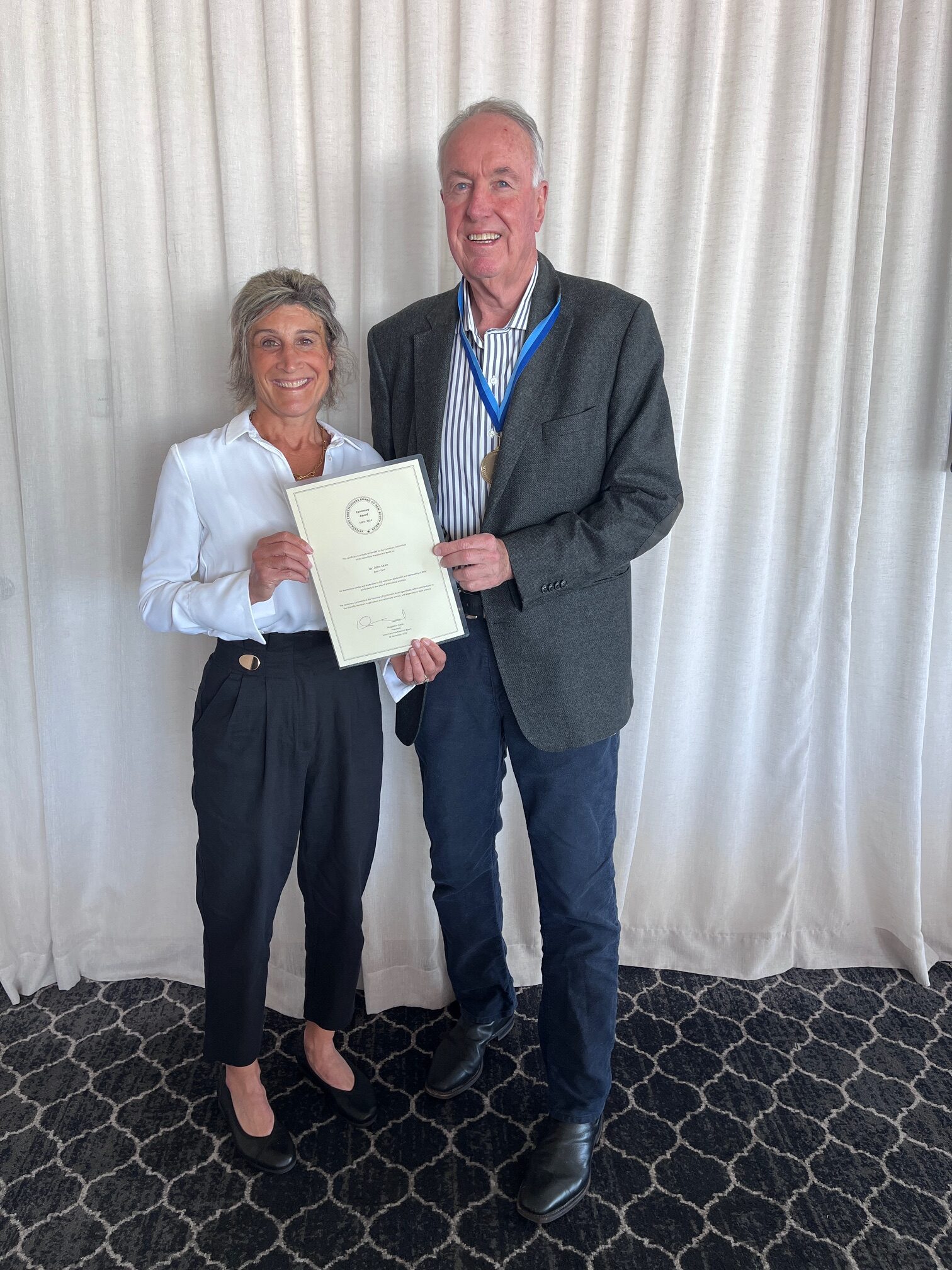
The Veterinary Practitioners Board of New South Wales has announced the recipients of the 2025 Centenary Awards, recognising outstanding veterinary leadership across One Health, One Welfare and Professional Practice.
Presented at the Board’s Annual General Meeting on 17 November, the awards honour John House, Tanya Carter and Ian Lean for their sustained contributions to animal health, public wellbeing and professional excellence.
Established in 2024 to mark 100 years since the Veterinary Surgeons Act 1923, the Centenary Awards have now become an ongoing program designed to highlight the diverse and often under-recognised roles veterinarians play across society.
“Veterinarians don’t just care for animals; we safeguard people, communities and the environment,” Magdoline Awad, President of the Veterinary Practitioners Board NSW, said. “Our profession sits at the intersection of science, ethics and public wellbeing.”
While companion animal practice may dominate public perceptions of the profession, the Board noted that veterinarians across NSW contribute to critical areas including food safety, biosecurity, emergency response, research, academia, wildlife conservation, shelter medicine and military service.
Recipients of the 2025 Awards were selected following a rigorous nomination and review process by a Board-appointed committee with expertise spanning One Health, One Welfare and Professional Practice.
“This year’s honourees reflect the enormous contribution veterinarians make to NSW: an impact that is too often overlooked in national honours systems,” Awad said. “Each recipient exemplifies the profession’s commitment to scientific rigour, ethical leadership and service to the community.”
Over the past 100 years, more than 11,700 veterinarians have practised across NSW, with almost 5,000 currently registered with the Board.
“During COVID, veterinarians were recognised as an essential service because our role matters,” Awad said. “That importance continues every day.”
She also highlighted the profession’s strong culture of service, from disaster response and pro bono work to capacity-building initiatives in under-resourced regions, both locally and internationally.
“The Centenary Awards reflect the breadth, resilience and social value of modern veterinary careers,” Awad said. “They remind us that protecting animal health also protects people, communities and the environment.”
2025 Centenary Award recipients
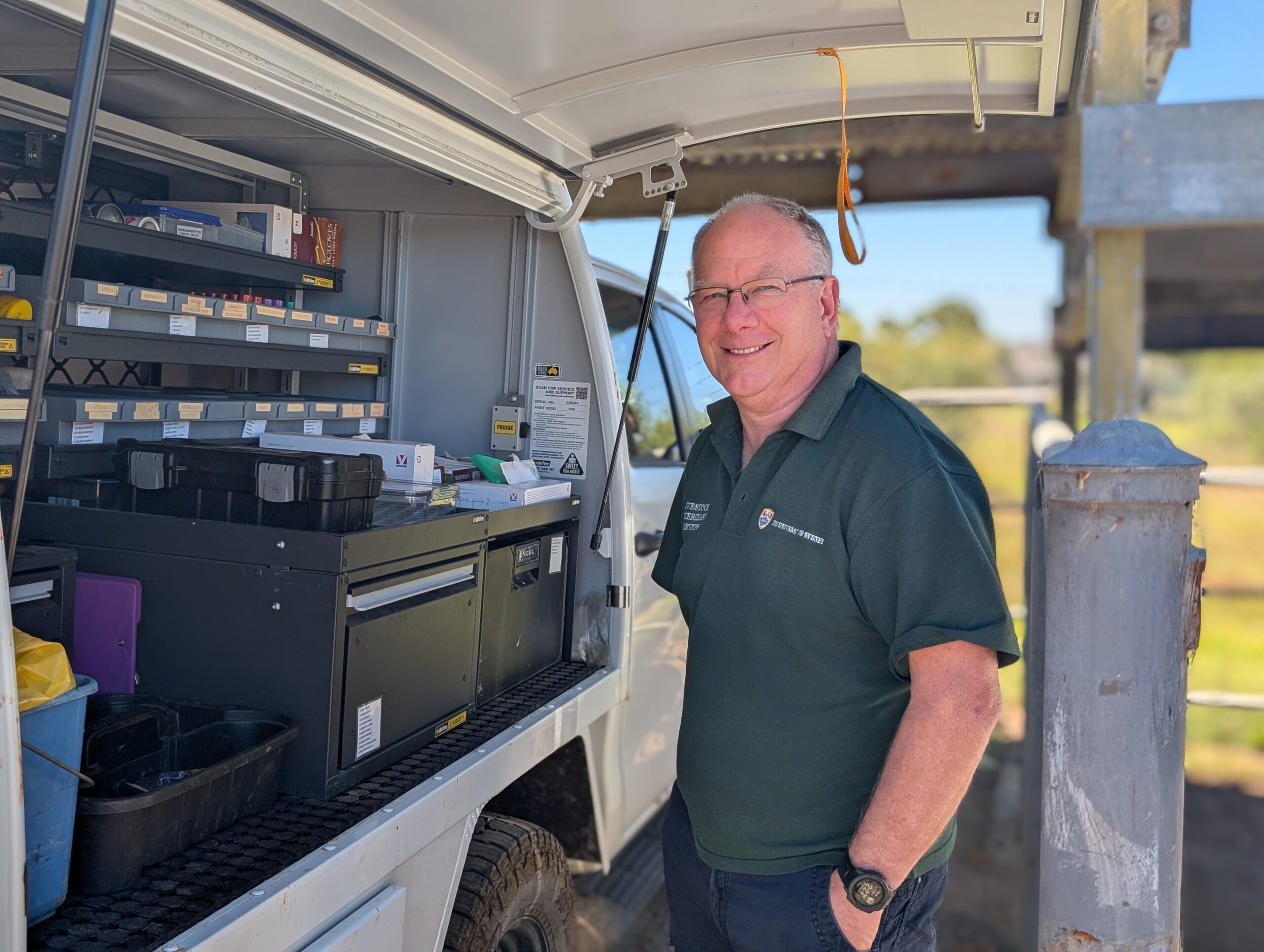
One Health Award: John House
Associate Professor John House, University of Sydney, was recognised for his contributions to advanced veterinary diagnostics, disease prevention, herd health, animal welfare and food system resilience.
The selection committee highlighted his leadership in antimicrobial stewardship, research translation, education and mentorship, noting the breadth of his impact across clinical practice, academia and industry.
Reflecting on the award, House said his career illustrates the interconnected nature of veterinary work.
“Clinical practice, teaching, research and supporting farmers and their families all reflect the One Health approach. This award recognises not just work with animals, but the relationships with people and the commitment to lifelong learning.”
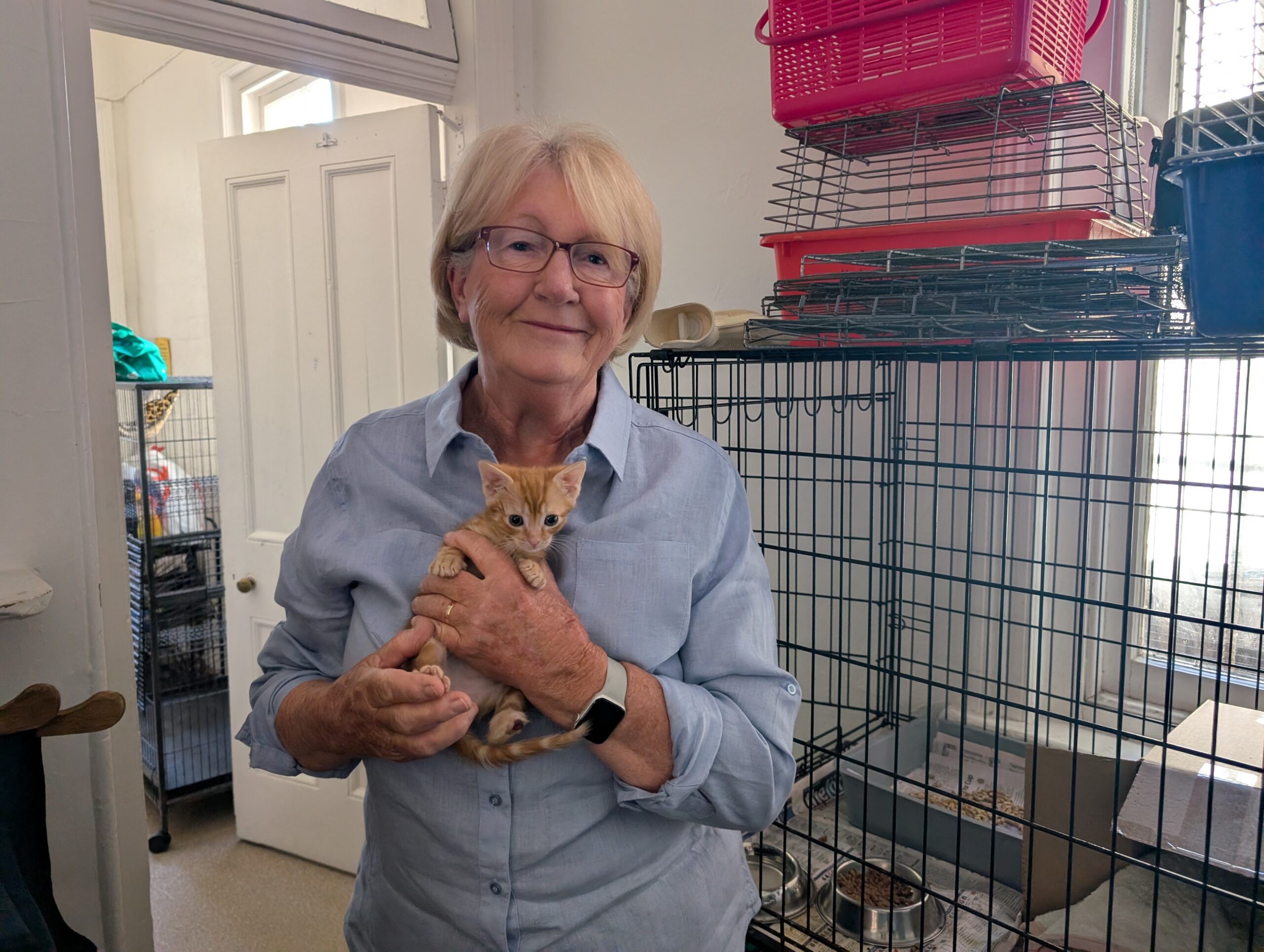
One Welfare Award: Tanya Carter
Dr Tanya Carter was honoured for her leadership in community-based veterinary practice and animal welfare advocacy.
Founder of Haberfield Veterinary Hospital in Sydney, Carter has also served as President of the Animal Welfare and Ethics Special Interest Group of the Australian Veterinary Association. She holds postgraduate qualifications in animal welfare, ethics and law and has published extensively in the field.
Her work has received both national and international recognition.
“Helping animals means helping people,” Carter said. “That connection is the essence of One Welfare and sits at the heart of everything I do.”
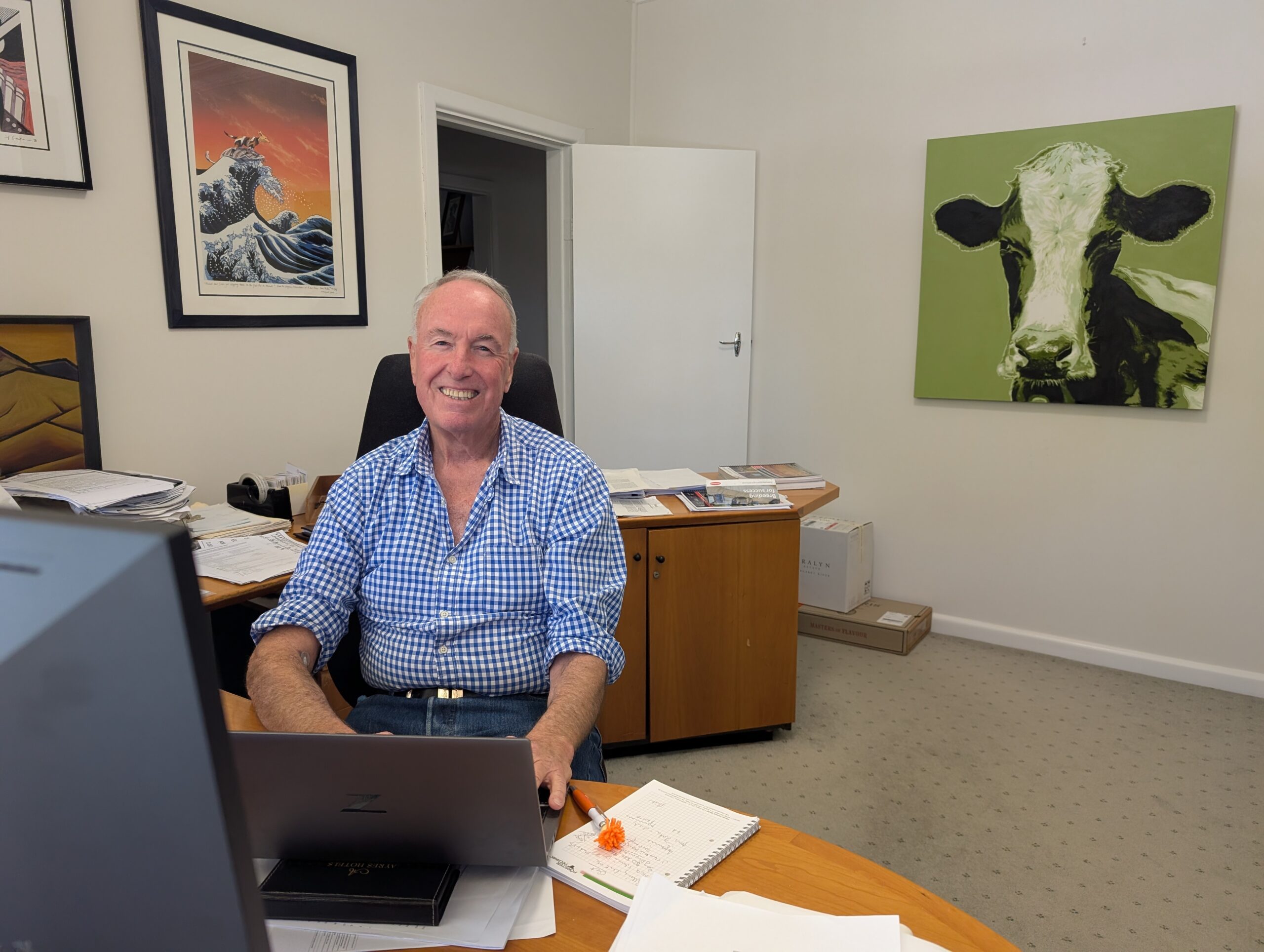
Professional Practice Award: Ian Lean
Adjunct Professor Dr Ian Lean, Managing Director of Scibus and Cows R Us, was recognised for his long-standing contribution to production animal practice, research and consultancy.
A nationally and internationally respected dairy scientist, Lean has made significant contributions to the peer-reviewed literature and to evidence-based decision-making in ruminant production systems. He was awarded the Gilruth Prize in 2009, leading to the conferral of a Doctor of Veterinary Science.
“Production animal practice may be less visible to the public, but it remains fundamental to animal health, rural livelihoods and the integrity of the food chain,” Lean said.
Photos: Veterinary Practitioners Board NSW