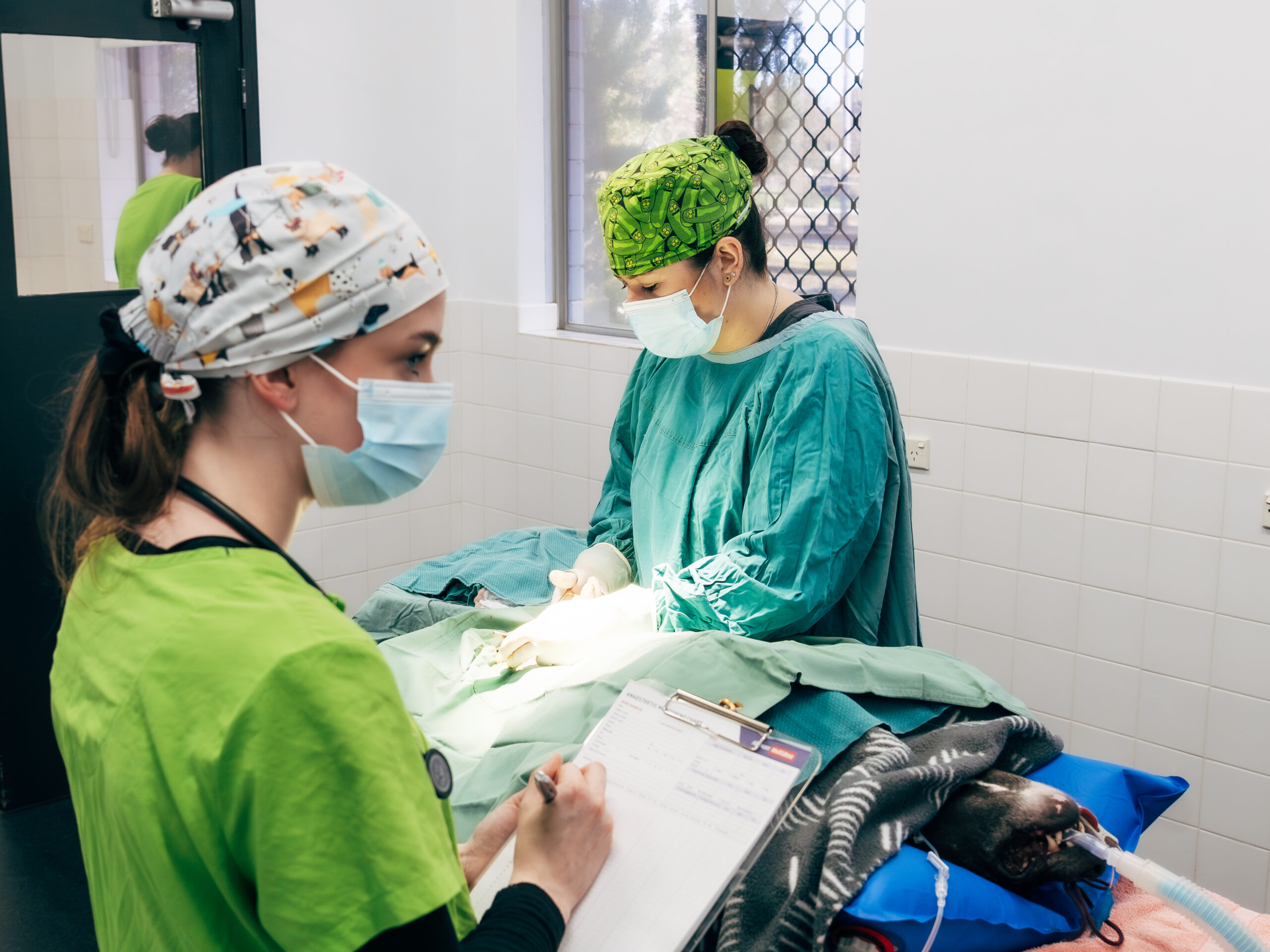
New clinical guidance has been issued across CVS Australia’s 53 clinics aimed at significantly reducing the use of isoflurane, one of the most used inhalational anaesthetic agents in veterinary practice.
Developed by CVS Australia’s Clinical Advisory Committee, chaired by Paul Davey, the guidance draws on expertise from across the CVS group, including clinical input from the UK. The initiative reflects a growing focus on safer, more sustainable anaesthesia practices that balance patient outcomes, environmental responsibility and staff wellbeing.
Isoflurane is recognised as a potent greenhouse gas, estimated to be 539 times more potent than carbon dioxide. Reducing the amount used to maintain safe and effective anaesthesia can therefore have a meaningful impact on reducing emissions released into the atmosphere.
Beyond its environmental footprint, isoflurane also presents occupational health considerations. Prolonged exposure to volatile anaesthetic agents has been associated with a range of potential health effects in veterinary professionals, including headaches, cognitive changes, reproductive concerns and increased cancer risk.
By reducing reliance on inhalational anaesthesia, CVS Australia aims to improve workplace safety while maintaining – and in some cases enhancing – clinical outcomes for patients.
The new guidance promotes a multi-modal anaesthesia strategy, encouraging clinicians to consistently aim for the lowest effective inhaled isoflurane concentration required to maintain stable anaesthesia.
Key elements of the approach include:
- Pre-clinic anxiolytics to reduce stress and overall sedative requirements
- Optimised premedication protocols using agents such as medetomidine and opioids including methadone or buprenorphine
- Greater use of locoregional anaesthesia, including epidurals and peripheral nerve blocks
- Continuous rate infusions (CRIs), such as fentanyl-lidocaine-ketamine (FLK) combinations, to provide analgesia and reduce inhalational agent requirements
- Adoption of low-flow anaesthesia techniques to minimise oxygen and isoflurane consumption
These strategies not only reduce inhalant use but may also improve cardiovascular stability during procedures and support smoother, faster recoveries. In selected cases, clinicians are also encouraged to consider total intravenous anaesthesia (TIVA), which eliminates the need for inhalational agents altogether.
Davey said the guidance reflects a broader responsibility within the profession.
“This guidance reflects how we should balance the best outcomes for our patients, our people and the planet. These steps will not only improve clinical outcomes but also reduce our environmental footprint and safeguard the wellbeing of our teams.”