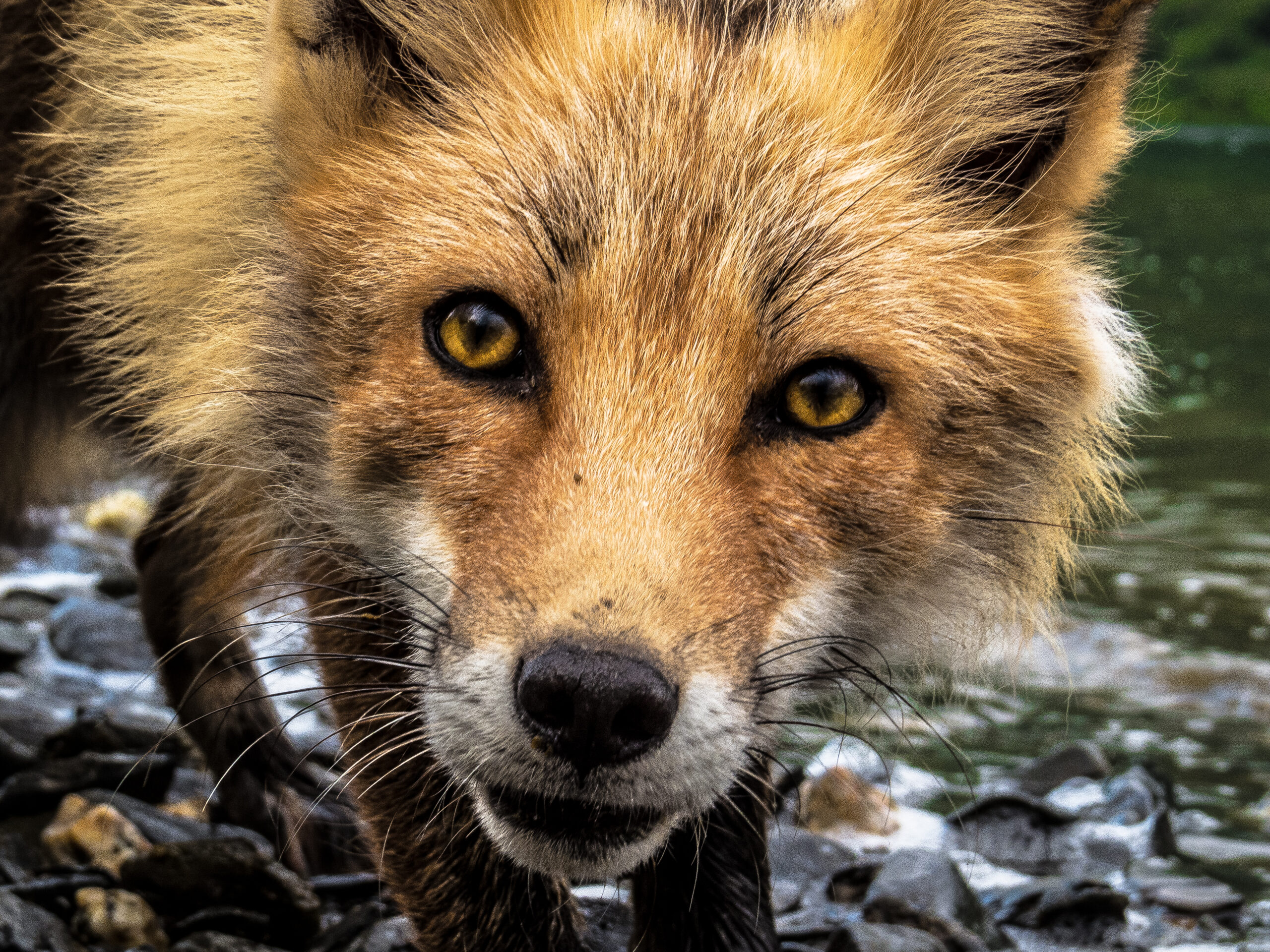
A study published recently in the journal Diversity and Distribution has found that since 1870 when the European red fox (Vulpes vulpes) was deliberately introduced into Australia for hunting purposes, it has become a serious threat to native wildlife, contributing to the population decline of many species, and linked to the extinction of approximately 16 mammals. There are now an estimated 1.7m foxes in Australia, and despite no conclusive evidence of the species’ presence in Tasmania, it is a declared pest under the state’s Biosecurity Regulations 2022.
Lead author Sean Tomlinson, a Lecturer at WA’s Curtin University’s School of Molecular and Life Sciences, said researchers used hundreds of first sighting records, and thousands of model simulations, to reconstruct the arrival and spread of the ‘fast and fierce hunters’.
“Red foxes and domestic cats brought to Australia by European colonists kill about 300 million native animals in Australia every year and remain a major driver of past and current extinctions. Our detailed reconstructions showed that foxes filled their potential distribution in Australia in just 60 years, providing new biogeographic data needed to quantify past losses of fauna and help avert future extinctions,” he said.
Researchers used historical records, media reports and DNA testing for the study and their modelling showed the speed with which foxes expanded their distribution throughout the southeastern corner of the country between 1870 and 1895 before rapidly spreading in northerly and westerly directions. By 1900 the team estimated foxes had occupied all available habitat in Australia’s south-eastern region.
“Fox colonisation across the northwest of Australia was the final phase of colonisation, with the distribution of foxes being completely infilled by 1940,” Tomlinson said.
The collaborative study was part of an Australian Research Council Discovery Project and also involved scientists from the University of Adelaide’s Environment Institute, and Denmark’s University of Copenhagen’s GLOBE Institute. Tomlinson said he hoped the research would offer a useful framework for mapping the spread of other invasive species, including cats, to potentially help curb the decline in Australia’s native wildlife.
Anne Layton-Bennett