Veterinarians often put off selling their practices because they are concerned about life after ownership. What will they do with all those extra hours, how will they cope with leaving behind the identity that has defined them for decades? This series of articles explores the very busy lives of some of Practice Sale Search’s clients, former-practice owners who have embraced post-sale life.
Name: Geoff Falkenmire
Age: 71
Graduated: Sydney University 1985
Practice Owned: Campbelltown North Animal Hospital, NSW
Brief Career Summary:
My first job post-graduation was for three years in an equine practice at Warwick farm in Western Sydney. I then changed over to work on small animals, because I wanted to participate in a wider range of medical and surgical activities.
In 1994, I bought my own practice. It started off with one vet (me), one nurse, and my ex-wife was the practice manager/business/ideas person. She very effectively initiated all the marketing, recruiting and renovations that we needed.
Like all my colleagues, we worked hard and, as the demand rose, we soon hired our first associate vet, and more nurses. The growth and joys, trials and tribulations continued, and our little team grew.
Selling:
When I decided to sell, many years down the track, I discovered that my skills in this endeavour – the sale of something so near and dear to me – were not up to the task. My initial efforts to sell to associates from within the practice had not succeeded, I believe partly from differences in how we valued what I believed I had to offer, and partly from my lack of understanding of the complexities of the sale of a veterinary practice.
I discovered the services of Practice Sale Search, and delegated negotiations to my most capable family member – my son.
Within about a year of interacting with PSS, our practice was successfully sold, amidst what was a very difficult economic climate for everyone.
The folk who bought the practice were established owners of some (human) dental practices who wanted to diversify and venture into veterinary care. I liked the fact this was not a large corporate entity. They wanted the place to maintain its current structure and culture, and that’s what happened. There was a little anxiety amongst the staff at first, but they remained on board, adapted well and contributed to the improvement in the new entity. The new owners recruited actively, and in my view, continue to take the level of clinical service to a higher level.
Post Sale:
Veterinary work
I stayed working full time in the practice for a year post sale. Subsequently, I decided to work a few days a month. I enjoy this opportunity to continue to engage in doing clinical work. Just being in the veterinary environment, listening to and learning from my younger colleagues is rewarding.
Aircraft Maintenance, and the Polar Regions of the Earth.
But what next? Key to my considerable enjoyment of “life in retirement” has been the fact that certain specific other areas of interest had grabbed my attention while I was working full time as a veterinarian, and LONG BEFORE selling our practice, I had taken active steps to pursue them.
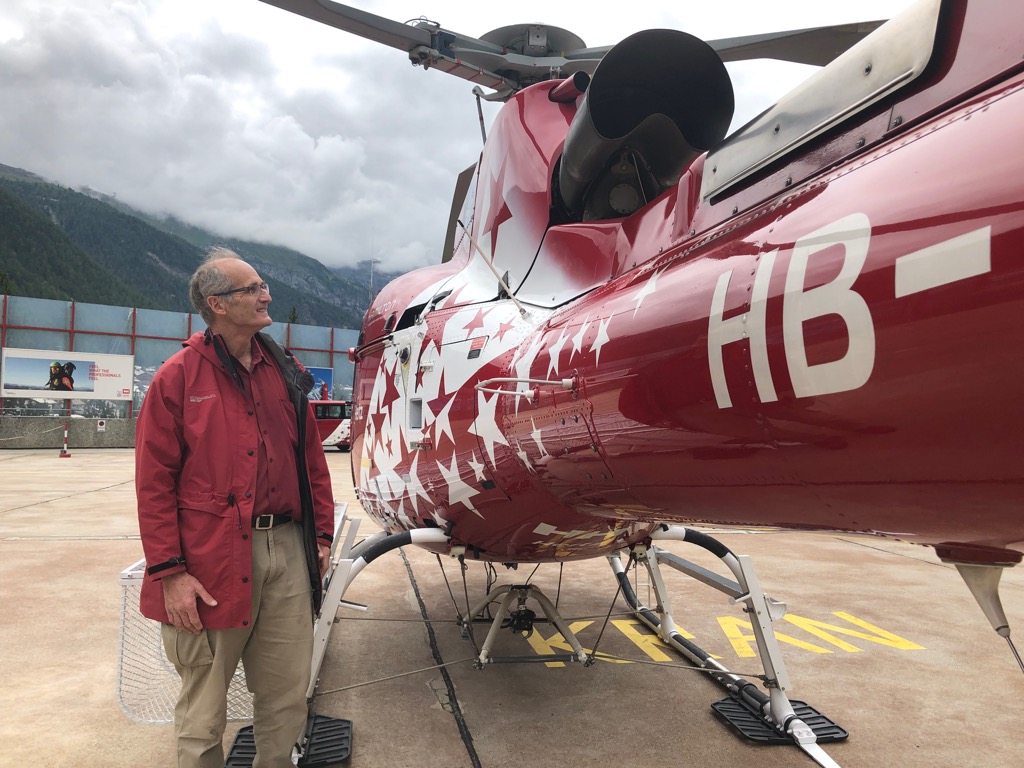
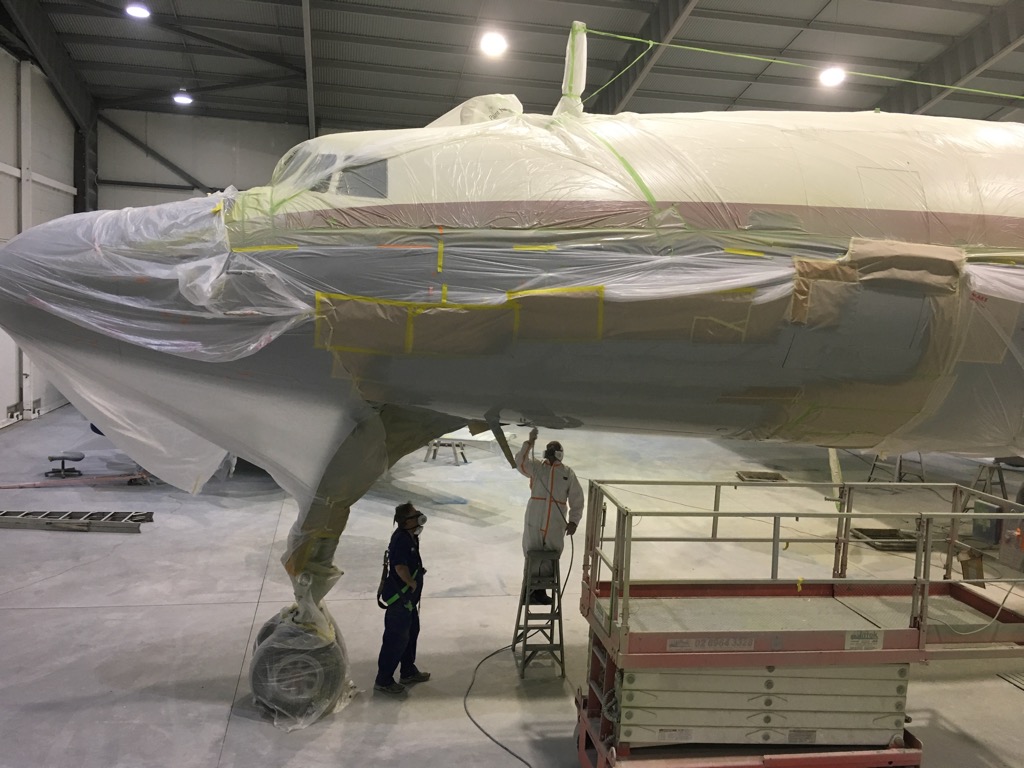
While still in practice, I took on formal study in Aircraft Maintenance, in the NSW TAFE system, following through on a long-standing interest in aeronautical engineering. I supplemented this with time spent in aircraft and particularly helicopter service facilities here and in other locations in the world.
In the three years prior to our sale, I was able to work as a trainee aircraft mechanic during the week, and work in the practice on weekends.
COVID and staff changes in the Animal Hospital brought that arrangement to an end, but the aviation work now continues for me at a wonderful aviation heritage facility, working beside and being mentored by a group of skilled engineers who cut their teeth in the golden age of aviation.
And the polar regions of the earth?
As a child, I was introduced to Antarctica, and the polar regions in general.
The fascination rekindled in later life. I delved into the lives of, and the immense contributions to science, made by the early explorers.
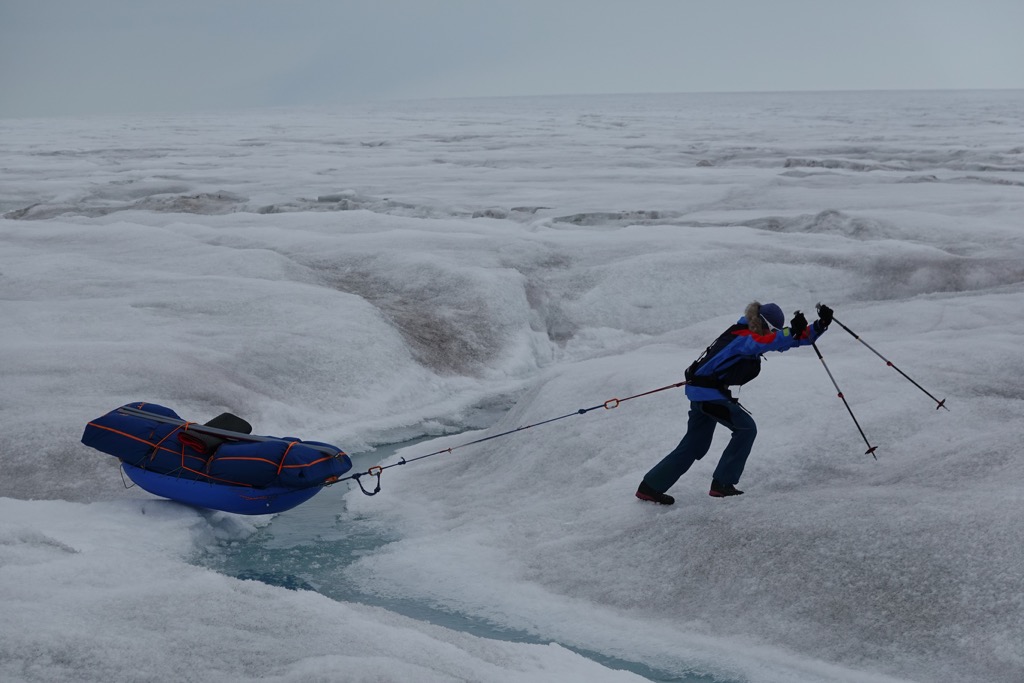
In breaks from work in veterinary practice, I found myself seeking to “follow in their tracks.
So, learning to handle sled dogs in Finland, joining adventurers on long-distance cross-country ski trips in Norway and Greenland, and rounding islands in the high Arctic on a 100-year-old sailing ship.
In 2023, I was back at university – this time in New Zealand – for three months, to do a post-graduate certificate in Antarctic studies. The “dream” is to use this background to work as a guest lecturer/guide on Arctic cruise ships and contribute to Citizen Science in progress there.
My point being that investing time in these interests, while working as a veterinarian, laid the foundation for the richness of life-after-practice.
Advice?
I have been super fortunate to have readily found other broad-based interests, very distinct from veterinary ones, that I could engage with after selling what had been my major daily commitment for decades.
I was also fortunate in being afforded time along the way to keep engaging in these interests while my vet career continued.
It’s likely a self-evident truth but perhaps being able to identify and maximally develop what intrinsically interests you, outside your immediate professional life, in the period LONG BEFORE the sale of a practice, will optimise the quality of “life after practice”.
My final thought: as a grandad, I strongly aspire to be an example to my grandchildren, to the best of my ability, of just what us 60, 70 and (hopefully!) 80-plus year-olds can throw at life.