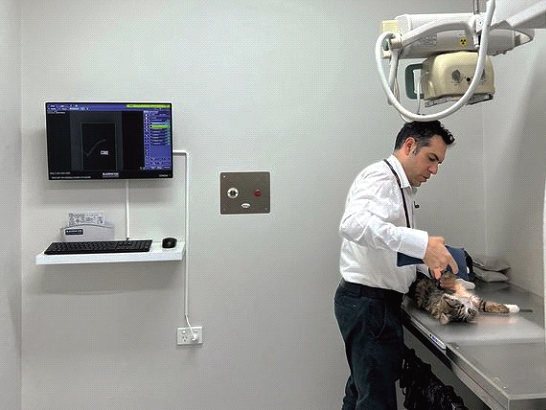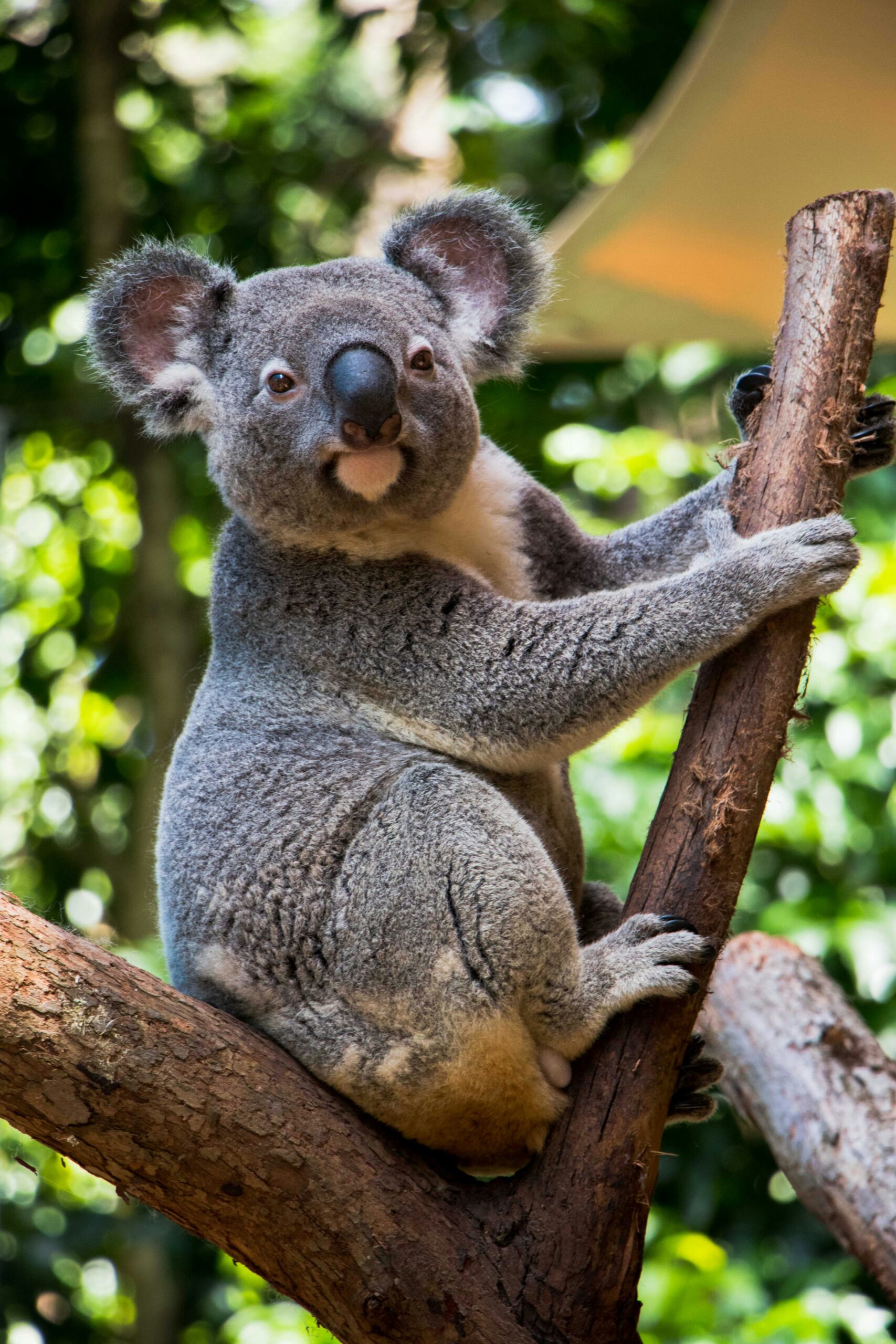
A single-dose vaccine developed by researchers at the University of the Sunshine Coast, that is designed to help protect koalas from chlamydia, recently received approval from the Australian Pesticides and Veterinary Medicine Association. Chlamydia is a widespread bacterial disease affecting koalas both in the wild and in captivity that can cause urinary tract infections, infertility, blindness, and death.
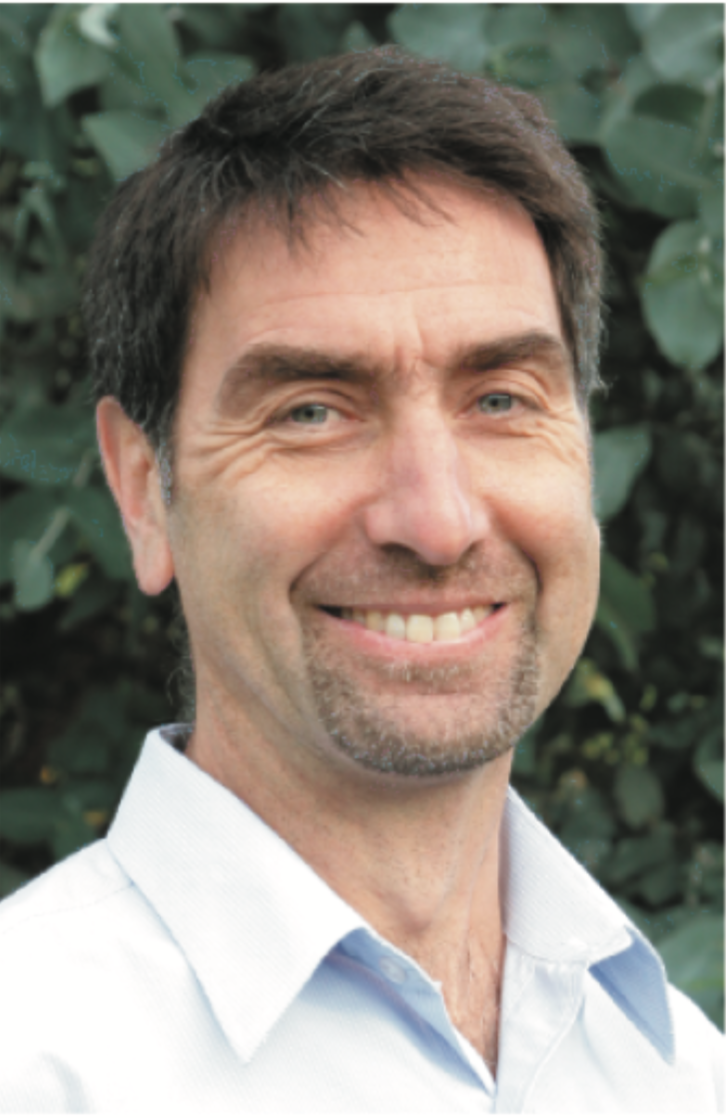
Led by Peter Timms, Deputy Director at UniSC’s Centre for BioInnovation, scientists spent over 10 years developing the vaccine that will protect koalas from the disease. He said the team was, ‘determined to do the hard yards’ so the research could move to the next stage of developing a high-quality, veterinary-approved product that can be used in wildlife hospitals, veterinary clinics, and in the field to protect the nation’s most at-risk koalas.
“UniSC knew a single-dose vaccine – without the need for a booster – was the answer to reducing the rapid, devastating spread of this disease, which accounts for as much as half of koala deaths across wild populations where some individual wild colonies, with infection rates as high as 70 per cent sometimes, are edging closer to extinction every day,” he said.
Previously antibiotics have been the only treatment available for infected koalas but these can disrupt the animals’ ability to digest the eucalyptus leaves that are their sole source of food. As well as failing to prevent future infection, antibiotics can also lead to starvation and, in some cases, death.
Samuel Phillips, Research Fellow at UniSC’s Centre for BioInnovation said the research was the largest and longest-ever study to confirm the vaccine’s safety and effectiveness and had involved a decade of clinical data, gathered through multiple vaccination trials on hundreds of koalas in the wild, in captivity and in wildlife hospitals over multiple generations.
“This study found it reduced the likelihood of koalas developing symptoms of chlamydia during breeding age, and decreased mortality from the disease in wild populations by at least 65 per cent. It’s based on Chlamydia pecorum’s major outer membrane protein, and offers three levels of protection – reducing infection, preventing progression to clinical disease, and – in some cases – reversing existing symptoms,” Phillips explained.
With six different components, Timms said the vaccine had been designed to cover the different strains of chlamydia circulating in different parts of the country, and had drawn upon the expertise and resources of global and national partners and supporters to advance its development.
“There are three parts to the adjuvant, which we’re very pleased to have designed as a single-shot adjuvant. Many vaccines require a booster, but we’ve purposely developed a vaccine that only requires one shot, and for wild animals like koalas, that’s what you really need,” Timms said, adding there was still much more to be done including sourcing major funding and donations to enable the national rollout of the approved vaccine to at-risk koala populations.
“We’re also continuing to refine the product and conduct ongoing research to ensure the vaccine’s long-term success,” he said.
Koala disease was also the focus of a study by researchers from the University of Queensland, published recently in the Journal of General Virology. It revealed a clear relationship between stress and increased disease risk in the species throughout South East Queensland and on the NSW coast.
Led by Michaela Blyton, Research Fellow at UQ’s School of Chemistry and Molecular Biosciences, researchers measured and tracked the level of koala retrovirus in groups of captive and wild koalas, to establish what happened to the animals’ KoRV load over time, and how it related to chlamydial infection and levels of the stress hormones cortisol and corticosterone in their faeces.
“Virus load likely weakens the immune system, so those with higher KoRV load are more at risk of diseases such as chlamydia, and poor quality or disappearing habitat may increase stress. Koalas with higher average cortisol levels had higher average KoRV loads,” Blyton said.
The study involved 67 koalas, including animals being treated for chlamydia before being released. Others were involved in the vaccine trial, together with a small number of koalas kept in captivity due to injury or ill health. Results confirmed that habitat loss and disease were not only the biggest threats koalas faced, they were also connected.
“Our study showed KoRV loads within individual animals were very stable over time. Even when a koala with chlamydia was successfully treated for that infection, their KoRV load didn’t increase. That tells us the direction of causation is high KoRV load leading to an increased susceptibility to chlamydial infection, and not the other way around. KoRV load could be underpinning the chlamydia epidemic among koalas in northern NSW and South East Queensland,” she said.
In considering koala conservation strategies Blyton said a holistic approach needed to be taken due to the link between disease and environmental factors, and that good quality koala habitat needed to be preserved. Her team is involved in Koala Conservation Australia’s breed-to-release program, where the animals are screened and those with low KoRV loads are preferenced, ‘to hopefully give their offspring greater protection against chlamydia and other infectious diseases’. The team’s future aim is to investigate antiretrovirals to reduce KoRV loads in individuals to give them a better chance of fighting off chlamydia, and reducing transmission to the next generation.
Anne Layton-Bennett
Photo: Quentin Grignet