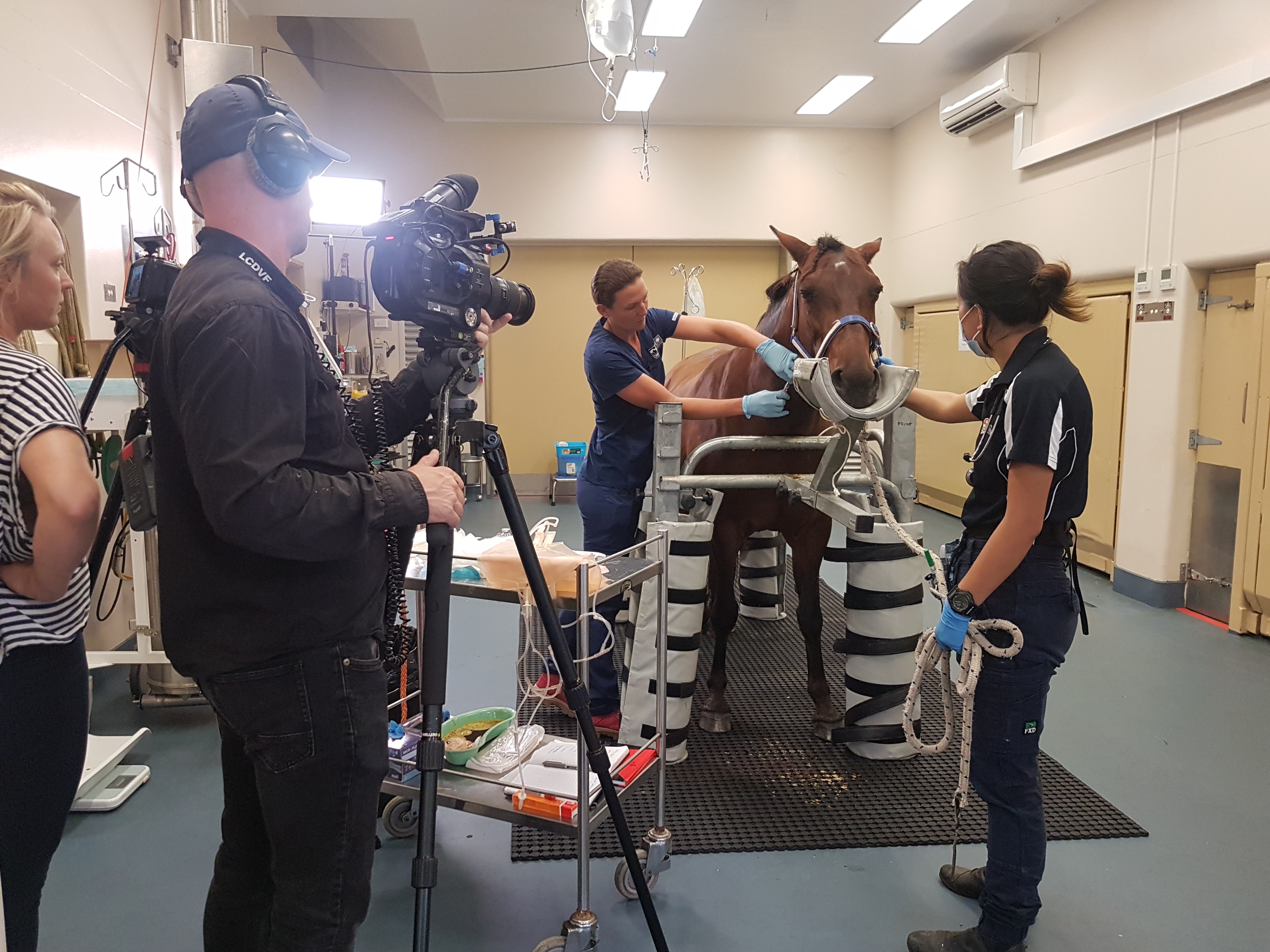
Southern Cross University (SCU) hopes to help address the vet shortage in regional Australia with the opening of new veterinary training facilities at its Lismore campus.
The purpose-built centre comes as the university launches veterinary medicine courses this year, which have been developed in partnership with veterinary practices, wildlife hospitals and animal health organisations across the Northern Rivers.
SCU’s Jon Hill said training students in regional areas was key to building a sustainable workforce. “We know veterinary workforce shortages are not simply about the number of graduates, they are about where those graduates choose to practise,” he said.
“By strengthening our veterinary training facilities here in the Northern Rivers, we are reinforcing a regionally anchored training pipeline and giving students greater exposure to the communities and industries that need them most.”
SCU also announced a partnership with Wildlife Recovery Australia which will allow its students hands-on experience in wildlife care and conservation and produce graduates ready for rural and mixed-animal practice.
“[Our] students … will have access to an authentic clinical training environment managed by expert wildlife vets and nurses. Students will get direct clinical exposure to wildlife triage, treatment, surgery and rehabilitation. These skills are increasingly vital to regional practice where vet clinics regularly treat injured native animals alongside domestic patients,” SCU’s Rowland Cobbold said.
SCU’s initiatives are welcome news, as the issue of the vet numbers in Australia ongoing, with data from the Australian Veterinary Association tracing the shortage, particularly in rural areas, for almost a decade.
“It’s estimated in Australia that we’re probably 1500 vets short, and we’re going to be addressing this shortage through qualified and trained wildlife vets,” Wildlife Recovery Australia’s Stephen Van Mil said.
Page MP Kevin Hogan said improving regional training pathways would help keep graduates in local communities.
“When students train in the regions, they are far more likely to stay and build their careers in regional communities,” he said.
JULIA GARDINER